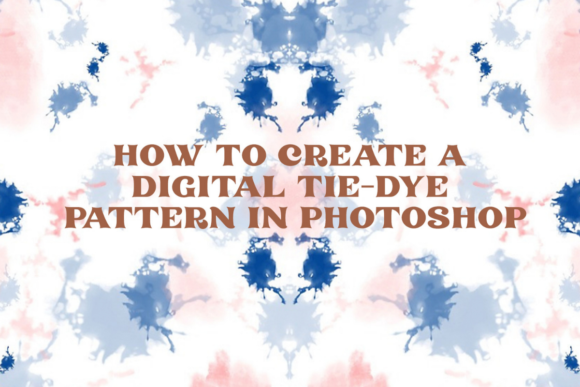
How to Create a Digital Tie-Dye Pattern in Photoshop
Creating a digital tie-dye pattern in Photoshop is a fun and creative way to add unique textures and colors to your design projects. Whether you're designing for social media, print, or web, understanding how to craft these patterns can elevate your work and give it a handcrafted feel. Diane Pascual’s class on this topic offers valuable insights and techniques that make the process accessible to both beginners and experienced designers.
Tie-dye patterns are known for their vibrant, swirling colors and organic shapes. They often have a playful, artistic vibe that can bring energy and personality to any design. These patterns can be used in a variety of applications, from t-shirt designs and home decor to website backgrounds and marketing materials. The key to success lies in mastering the tools and techniques that allow you to replicate the look of traditional tie-dye digitally.
Understanding the Visual Characteristics of Digital Tie-Dye
Digital tie-dye patterns typically feature fluid, blended color transitions and irregular shapes that mimic the natural randomness of hand-dyed fabric. These designs often have a soft, abstract quality that makes them visually engaging. When creating these patterns in Photoshop, it's important to focus on layer blending modes, gradient tools, and brush settings to achieve the right effect.
The personality of a tie-dye pattern is usually bold and expressive. It works well for projects that aim to stand out and capture attention. Whether you're working on a logo, editorial layout, or packaging design, the right tie-dye pattern can add a sense of movement and creativity to your work.
Where Digital Tie-Dye Patterns Excel in Design Projects
Digital tie-dye patterns are versatile and can be applied across multiple design disciplines. In branding, they can be used to create eye-catching logos or background elements that reflect a brand’s creative identity. For web design, they offer a way to add visual interest without overwhelming the user experience.
In social media graphics, tie-dye patterns can help your content stand out in a crowded feed. They’re also great for personal projects, like customizing t-shirts or creating unique digital art. When used thoughtfully, these patterns can enhance the overall aesthetic of a design while maintaining a cohesive look.
For commercial use, it's essential to ensure that the patterns you create are scalable and adaptable. This means considering how they will look in different sizes and formats, such as print versus digital. Testing your designs in various contexts can help you refine the final output and ensure it meets your project’s needs.
Choosing the Right Tools and Techniques
To create a digital tie-dye pattern in Photoshop, start by setting up a new document with a transparent background. Use the brush tool with a soft edge to create the base shapes. Experiment with different brush sizes and opacities to build up layers of color. Layer blending modes like overlay or soft light can add depth and dimension to your design.
Gradient maps and noise filters can also be useful in achieving the desired texture. By adjusting the opacity and blending modes of each layer, you can control the intensity and flow of the colors. Don’t be afraid to experiment—sometimes the most unexpected combinations yield the best results.
One of the benefits of using Photoshop is the ability to save your patterns as reusable assets. This allows you to apply them to multiple projects quickly and consistently. You can also adjust the color scheme or scale of the pattern to fit different design needs.
Best Practices for Using Digital Tie-Dye in Your Work
When incorporating digital tie-dye patterns into your designs, consider the overall visual balance. Too much color or too many details can make a design feel cluttered. Instead, use the pattern as a background element or a subtle accent to draw attention without overwhelming the viewer.
For branding purposes, it’s important to maintain consistency across all touchpoints. If you’re using a tie-dye pattern as part of your brand identity, ensure it aligns with your other design elements, such as fonts, colors, and imagery. This helps reinforce brand recognition and professionalism.
Testing your designs in different formats is also crucial. Preview your work on both screen and print to see how the pattern translates. Adjusting the resolution and color profile can make a big difference in the final outcome.
Exploring Creative Possibilities with Digital Tie-Dye
There’s no one-size-fits-all approach to creating digital tie-dye patterns. Each designer may have their own method based on their preferences and project requirements. Some might prefer a more minimalistic approach, while others enjoy bold, colorful compositions.
Experimenting with different brushes, gradients, and layer styles can lead to unique and personalized results. You can also combine tie-dye patterns with other design elements, such as text or illustrations, to create dynamic compositions. The key is to find a style that resonates with your creative vision and the goals of your project.
By learning how to create a digital tie-dye pattern in Photoshop, you open up new possibilities for your design work. Whether you're looking to enhance your portfolio, improve your brand’s visual appeal, or simply explore new creative techniques, this skill can be a valuable addition to your design toolkit.