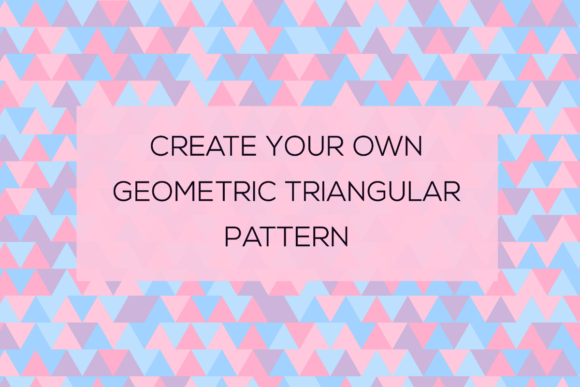
Create Your Own Geometric Triangular Pattern
Creating your own geometric triangular pattern can be a rewarding and versatile skill. Whether you're a designer, artist, or hobbyist, learning to craft these intricate designs opens up a world of creative possibilities. With the right tools and guidance, you can produce stunning patterns that add visual interest to everything from digital art to fabric design.
One of the best ways to start is by taking a beginner-friendly class led by experienced professionals. In this course, graphic designer and illustrator Krittika Mittal will walk you through the process of creating detailed triangular patterns using Adobe Illustrator. Her step-by-step approach ensures that even those new to design software can follow along with ease.
Why Learn to Create Triangular Patterns?
Geometric patterns have long been a staple in design, offering a sense of order, balance, and visual appeal. Triangular patterns, in particular, bring a dynamic energy to any composition. They can be used in everything from wall art to packaging design, making them a valuable addition to your creative toolkit.
By learning to create your own triangular patterns, you gain the ability to customize designs for specific projects. This level of control allows you to match your unique style or meet the needs of clients and customers more effectively.
Key Characteristics of Triangular Patterns
Triangular patterns are defined by their sharp angles and repeating shapes. They can be simple or complex, depending on how you arrange the triangles. Some common features include symmetry, alignment, and the use of color to enhance visual impact.
One of the strengths of triangular patterns is their adaptability. They can be scaled up or down, modified with different colors or textures, and combined with other shapes to create more intricate designs. This flexibility makes them ideal for a wide range of applications.
Practical Applications of Triangular Patterns
The usefulness of triangular patterns extends beyond just aesthetics. In personal projects, they can be used for home decor, such as custom wall art or quilt designs. For professionals, these patterns can serve as the foundation for branding materials, logos, or website graphics.
In educational settings, teaching students about geometric patterns helps develop spatial reasoning and design skills. It’s also a great way to introduce concepts like symmetry, proportion, and repetition in a hands-on manner.
Using Triangular Patterns in Digital and Commercial Environments
For digital creators, triangular patterns can be used in social media content, app interfaces, or web design. Their clean lines and structured layout make them perfect for modern, minimalist styles. You can also use them as backgrounds or decorative elements to add depth and interest to your work.
Commercially, these patterns are popular in fashion, interior design, and product packaging. Designers often license their patterns for use on textiles, stationery, or promotional materials. This means that mastering the skill can open up new revenue streams and opportunities for collaboration.
Benefits of Creating Your Own Patterns
There are several benefits to creating your own geometric triangular patterns. From a usability standpoint, you have full control over the design, ensuring it meets your specific needs. This can save time and money compared to sourcing pre-made patterns.
From an efficiency perspective, learning to use tools like Adobe Illustrator streamlines the design process. Krittika Mittal’s tips and tricks help you work faster and avoid common pitfalls. Plus, knowing how to recreate your pattern in Photoshop adds another layer of versatility.
Real-World Examples and Use Cases
Imagine using a triangular pattern as the base for a custom T-shirt design. Or, think about how these patterns can enhance the look of a logo or icon. They’re also great for creating seamless textures that can be used in digital illustrations or print projects.
For educators, incorporating geometric patterns into lessons can make abstract math concepts more tangible. Students can explore geometry through hands-on design activities, which reinforces learning in a fun and engaging way.
How to Get Started
If you're new to Adobe Illustrator, don’t worry—Krittika Mittal’s class is designed for beginners. She’ll guide you through the basics, from setting up your canvas to using the shape tools and applying gradients. By the end of the course, you’ll have a solid foundation in creating and manipulating geometric patterns.
Once you’ve created your pattern in Illustrator, you can take it a step further by importing it into Photoshop. This allows you to experiment with effects, filters, and color adjustments, giving your design even more depth and character.
Recommendations for Beginners
Start with simple shapes and gradually build complexity. Experiment with different colors and arrangements to see what works best for your vision. Don’t be afraid to make mistakes—every designer learns through trial and error.
Take notes during the class and practice regularly. The more you work with geometric patterns, the more intuitive the process becomes. And remember, the goal isn’t just to create a pattern—it’s to understand the principles behind it so you can apply them in future projects.