Chameleon Plush Pattern Resizing: A Creative Guide for Sewing Enthusiasts
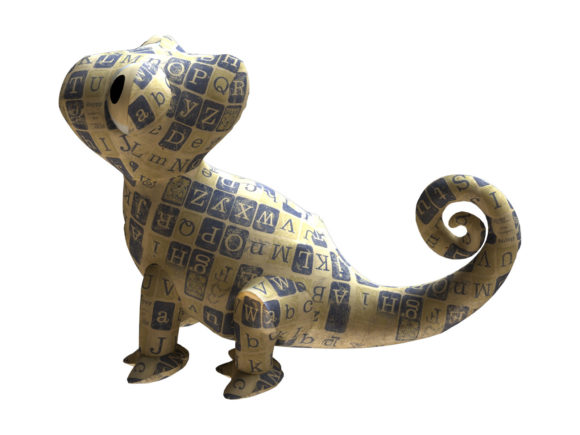
If you're a sewing enthusiast looking to create a unique and personalized gift, the Chameleon Plush Pattern is an excellent choice. This PDF plush pattern allows you to craft a charming chameleon that can serve as a child's toy or a stylish home decor piece. The project has a difficulty level of 4 out of 5, making it ideal for intermediate sewers rather than complete beginners. With a size from nose to tail of approximately 220 mm (8.66 inches), this pattern offers flexibility in customization, allowing you to adjust the dimensions based on your preferences and fabric properties.
What’s Included in the ZIP Archive?
The ZIP archive provided with the Chameleon Plush Pattern includes several essential files to guide you through the entire process:
- PDF Pattern – The main blueprint for creating the chameleon plush.
- PDF Tips & Tricks – Practical advice to make your sewing experience smoother.
- PDF Operating Procedure – Step-by-step instructions for assembling the plush.
- Folder for Working with Sizes – Contains non-paginated images of the pattern for easy resizing.
- Folder for Working with Eyes – Provides guidance on attaching the eyes to the plush.
This comprehensive set ensures that you have everything you need to successfully create your chameleon plush, whether you’re working with standard sizes or customizing the design.
Why Resize the Chameleon Plush Pattern?
Resizing the Chameleon Plush Pattern is a valuable skill that allows you to tailor the final product to your specific needs. Whether you want a smaller chameleon for a child’s room or a larger version as a decorative centerpiece, the ability to resize the pattern opens up a world of creative possibilities. The pattern is designed with this flexibility in mind, ensuring that you can adjust the size without compromising the integrity of the design.
One of the key benefits of the Chameleon Plush Pattern is its ink and paper-saving approach. The pattern is structured to minimize waste, which is especially important when printing large-scale patterns. By using the provided resizing tools, you can ensure that the pattern fits your printer’s capabilities while maintaining accuracy.
How to Resize the Pattern Using Software
Resizing the Chameleon Plush Pattern can be done quickly and efficiently using free software such as Adobe Acrobat Reader, Inkscape, or other vector-based programs. Here’s a brief overview of the process:
- Download and Open the PDF Pattern – Access the pattern file from the ZIP archive and open it in your preferred software.
- Access the Resizing Tools – Most software allows you to scale the image by percentage. For example, if you want to double the size, you can set the scale to 200%.
- Print the Resized Pattern – Once the pattern is resized, print it on high-quality paper or cardstock for durability.
- Assemble the Pieces – Cut out the pattern pieces and use them as a guide for cutting your fabric.
This method is ideal for those who want precise control over the size of their plush toy. It also allows for experimentation with different proportions, helping you find the perfect balance between aesthetics and functionality.
Manual Resizing Techniques
If you prefer a more hands-on approach, manual resizing is also an option. This method involves adjusting the pattern by hand using a ruler and measuring tape. While it requires more attention to detail, it can be a rewarding way to engage with the design process. Here are some tips for manual resizing:
- Measure Key Points – Identify critical points on the pattern, such as the nose, eyes, and tail, and mark them clearly.
- Adjust Proportions – Use a ruler to extend or shorten the lines according to your desired size.
- Test the Fit – Before cutting your fabric, test the resized pattern on a scrap piece of material to ensure the proportions look correct.
Manual resizing is particularly useful when working with limited software access or when you want to make small adjustments without altering the entire pattern.
The Importance of Fabric Properties in Final Size
It’s important to note that the final size of the chameleon plush may vary depending on the fabric you choose. Factors such as elasticity, density, and thickness can affect how the finished product looks and feels. For example, a stretchy fabric like fleece may result in a slightly larger plush compared to a stiffer material like felt.
To account for these variations, it’s recommended to test your chosen fabric with a small sample before proceeding with the full project. This will help you understand how the material behaves and allow you to make any necessary adjustments to the pattern or stitching technique.
Creating a Unique Gift or Home Decor
The Chameleon Plush Pattern is not just a simple sewing project—it’s an opportunity to express creativity and craftsmanship. Whether you’re making a gift for a child or adding a whimsical touch to your home, the chameleon plush offers a versatile and engaging way to showcase your skills.
For children, a handmade chameleon plush can become a cherished companion, offering both comfort and entertainment. For adults, it can serve as a conversation starter or a meaningful addition to a collection of handmade items. The ability to customize the size and design makes this project especially appealing for those who want to add a personal touch to their creations.
Conclusion
The Chameleon Plush Pattern is a fantastic resource for anyone interested in sewing and crafting. Its detailed instructions, flexible resizing options, and emphasis on efficiency make it a valuable tool for both intermediate and advanced sewers. By understanding the process of resizing and considering the impact of fabric properties, you can create a chameleon plush that perfectly matches your vision.
Whether you're looking to expand your sewing skills or create a one-of-a-kind gift, this pattern offers a rewarding and creative experience. With the right tools and techniques, you’ll be able to bring your chameleon plush to life in a way that reflects your individual style and creativity.