Black Lives Matter. Again Racism: A Powerful Statement for Change
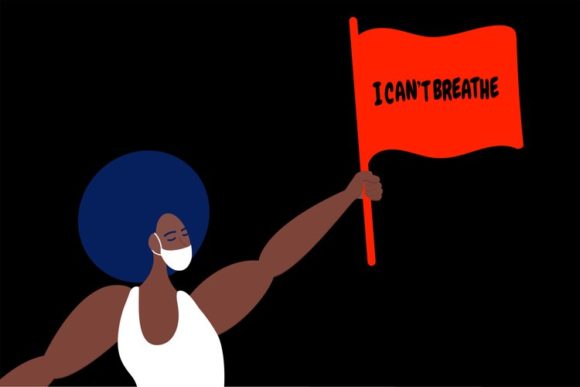
The phrase "Black Lives Matter. Again Racism" has become more than just a slogan—it's a movement, a call to action, and a visual representation of the ongoing struggle against racial injustice. This powerful message, often depicted in images like a black woman holding a sign that says "I can't breathe," resonates deeply with those who recognize the need for systemic change. Whether you're an artist, educator, business owner, or activist, understanding the significance of this message and its practical applications can help you make informed decisions about how to use it.
Understanding Black Lives Matter. Again Racism
At its core, "Black Lives Matter. Again Racism" is a response to the persistent and pervasive issue of racism in society. It serves as a reminder that Black lives have long been undervalued and that the fight for equality is far from over. The phrase is often used in protests, social media campaigns, and community initiatives to highlight the urgency of addressing racial disparities and violence.
This message is not just about acknowledging past injustices—it's about taking tangible steps toward a more equitable future. It encourages individuals and organizations to reflect on their roles in either perpetuating or challenging racist systems.
Where and When to Use Black Lives Matter. Again Racism
The versatility of "Black Lives Matter. Again Racism" makes it applicable in a wide range of scenarios. For example, educators might use it in classroom discussions to spark conversations about race, history, and social justice. Entrepreneurs could incorporate it into marketing campaigns to show support for diversity and inclusion. Artists and designers may use it as inspiration for creative projects that raise awareness about racial issues.
It's also commonly seen in public spaces, such as banners, posters, and stickers, where it serves as a visible symbol of resistance and solidarity. In digital contexts, it appears on websites, social media posts, and graphic designs to amplify messages of empowerment and advocacy.
Real-World Applications for Different Users
For creators, "Black Lives Matter. Again Racism" offers a rich source of inspiration. Graphic designers might use the phrase in t-shirt designs, book covers, or promotional materials. Photographers could pair it with images that highlight the human cost of racism, creating powerful visual narratives that resonate with audiences.
Business owners looking to align with social causes might integrate the message into their branding. This could involve using it in advertisements, packaging, or even as part of company-wide initiatives focused on diversity and inclusion. By doing so, they signal to customers that they are committed to making a positive impact.
Marketers and bloggers can leverage the phrase to engage their audience in meaningful conversations. Whether through blog posts, social media content, or email newsletters, the message can be used to educate, inform, and inspire action. It's a way to connect with readers who care about social justice and want to be part of the solution.
How to Choose and Use Black Lives Matter. Again Racism Effectively
Before using "Black Lives Matter. Again Racism," it's important to consider the context and audience. What works in one setting may not be appropriate in another. For instance, a corporate campaign might require a more subtle approach, while a protest might benefit from bold, eye-catching visuals.
Users should also think about the formats available. The image comes in multiple file types, including SVG, PNG, JPEG, and EPS, each suited for different purposes. For example, SVG files are ideal for web design because they scale well without losing quality. PNGs are great for high-resolution prints, while JPEGs are suitable for digital use.
When choosing how to use the image, consider the medium. If it's for a banner or poster, high-resolution files like PNG 300dpi will ensure clarity. For online use, a smaller JPEG or SVG file might be more practical. Understanding these details helps users make the most of the resource.
Benefits Across Different Settings
In educational settings, "Black Lives Matter. Again Racism" can be a valuable tool for teaching students about history, civil rights, and social responsibility. Teachers might use it in lesson plans, presentations, or student projects to encourage critical thinking and empathy.
For small business owners, incorporating the message into their work can build trust with customers who value social consciousness. It can also differentiate their brand in a competitive market by showing a commitment to meaningful causes.
Freelancers and hobbyists might use the image in personal projects, such as art installations, community events, or DIY crafts. These uses can help spread awareness and contribute to a larger cultural conversation about race and justice.
Considerations Before Using the Image
While "Black Lives Matter. Again Racism" is a powerful statement, it's essential to approach its use thoughtfully. Consider the message's implications and whether it aligns with your goals. Are you using it to educate, advocate, or raise awareness? Understanding your purpose will help you use the image more effectively.
Also, think about the potential impact. The image has strong emotional weight, so it's important to use it in a way that respects its meaning. Avoid using it in contexts that could be seen as exploitative or insincere.
Conclusion: Making a Difference with Meaningful Content
"Black Lives Matter. Again Racism" is more than just a phrase—it's a movement that continues to shape conversations about race, justice, and equality. Whether you're using it in a professional, creative, or personal capacity, understanding its significance and practical applications can help you make a meaningful contribution to the cause.
By choosing the right formats, considering the context, and using the image responsibly, you can help amplify a message that resonates with people across different backgrounds and experiences. Ultimately, the goal is to create a world where everyone's life is valued and respected.